

Stay on Point: Our Blog
Exercise Due Care After Purchasing A Contaminated Property
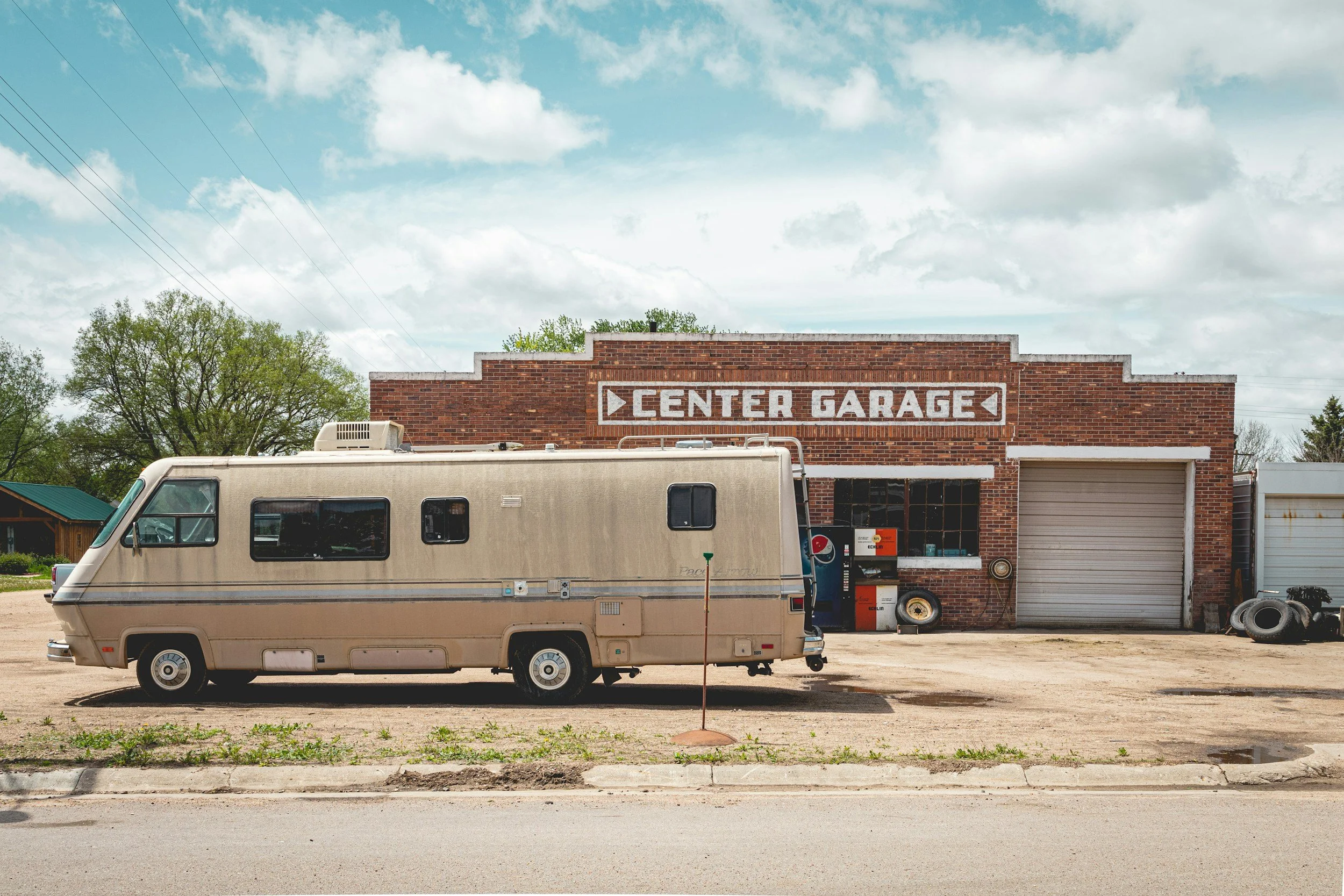
After completing a Phase I ESA and BEA and getting a grip on the type of contamination that is present at a property, the next question we are commonly asked is…what else do I need to do? In Michigan, a due care plan is necessary for any owner/operator of a contaminated property….even if you are not liable for the contamination, you still have due care obligations. Point Blue is committed to helping clients move smoothly through the due diligence and due care process and encourages the safe re-use of contaminated properties.

A Wetland? Not In My Backyard! What Should I Do?
Do you think there might be a wetland in your backyard? Understanding if and where wetlands are on your property is an important first step before any development occurs. Working through wetland permits can sometimes be confusing, but Point Blue is here to help you navigate you through these (sometimes muddy) waters.

Historical Fruit Orchards: A Sour Aftertaste
In Michigan’s Great Southwest, fruit orchards have historically dominated the region. While being fruitful for the economy, a sour aftertaste lingers in soil of historical orchards farmed prior to the 1970s. Specifically, lead arsenate pesticides were widespread and the heavy metals (e.g., arsenic and lead) can remain in soil even decades after the last spray.

Sedges Have Edges: A Common Wetland Plant
When Point Blue biologists perform wetland delineations, one characteristic we typically search for when identifying the presence and boundary of a wetland is wetland vegetation: plants that like to grow in wet areas. A particularly common plant we often find in our local wetlands is the sedge.

How a BEA Benefits You
If you find yourself in a situation where a Phase I ESA has identified a Recognized Environmental Condition (REC), what are the next steps? While the process might seem complicated, the experienced staff at Point Blue are well equipped to guide prospective buyers and provide confidence in a big investment.

Purchasing property along the Lake Michigan shoreline?
Are you looking to purchase property along the Lake Michigan shoreline? Not sure whether the parcel is regulated by the State of Michigan for protection of its natural resources? Not sure whether you can build or add-on in a regulated area? Concerned about bluff safety and stability? The Natural Resource Consultants at Point Blue are here to help.
A Phase I Identified Concerns – Should I Still Buy This Property?
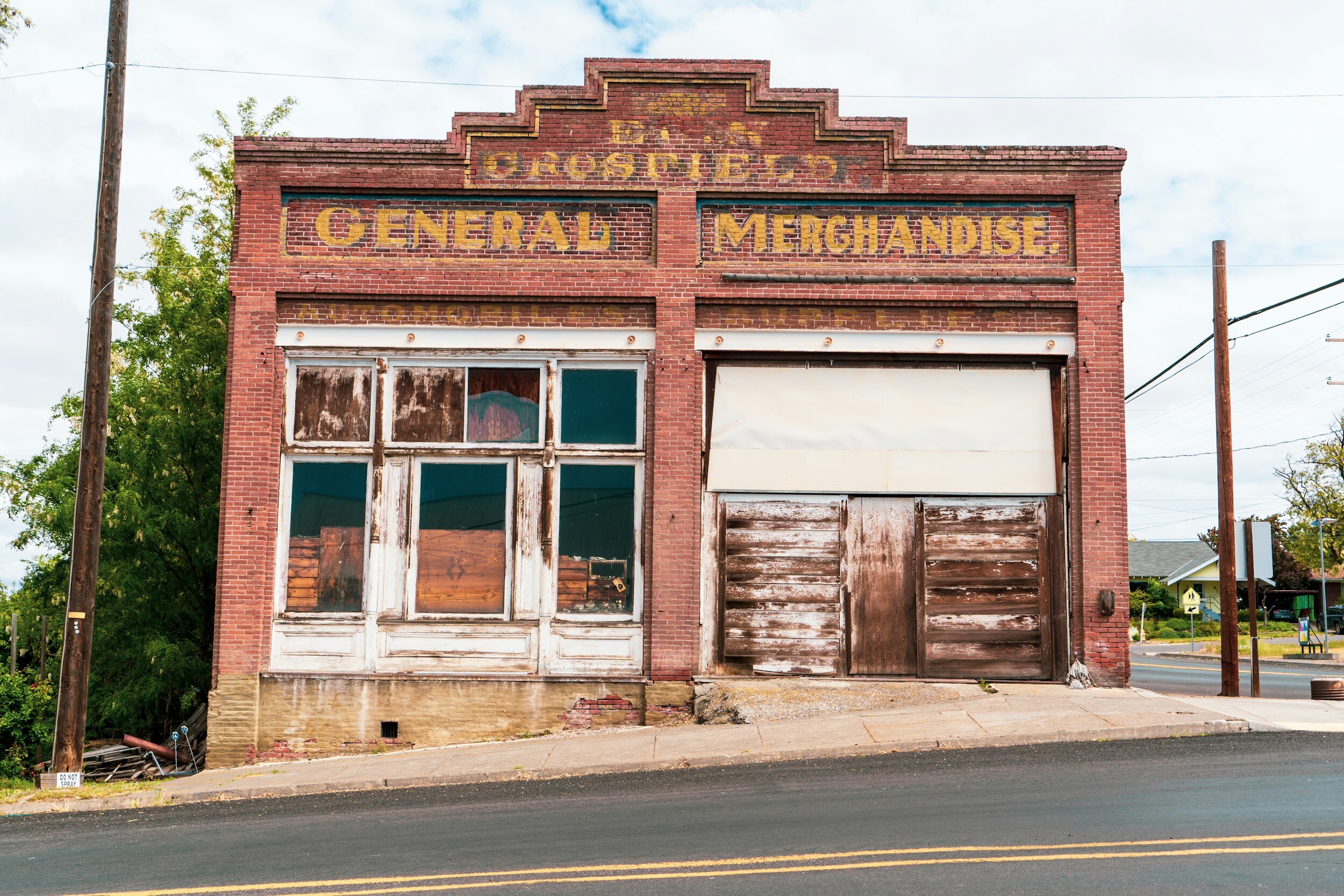
If you’re ready to move forward with your property purchase and RECs are identified in a Phase I, Point Blue help can show you how to use the BEA process to accomplish your goals.

Point Blue Can Assist MiDEAL Members
Point Blue is part of the Indefinite-Scope, Indefinite-Delivery (ISID) prequalified program for professional services related to environmental consulting. We are able to assist any MiDEAL member involved in local government (cities, counties, villages, townships, authorities & commissions), K-12 schools and districts, universities, colleges, and non-profit hospitals. Point Blue is listed as a vendor that can assist with environmental services through a MiDEAL contract.

Do Your Due Diligence
The purchase of any property can be an exciting event whether it’s for personal use or for taking the next big step with your business. Unfortunately, as with any investment, new properties can carry a certain level of risk. Environmental issues at a property, formally known as Recognized Environmental Conditions (RECs), can originate from the current owner’s use of the property…

Development within CDAs and HREAs
The Lake Michigan shoreline is a beautiful natural resource that residents and tourists enjoy every year. To protect this resource and still allow for development, the State of Michigan created designated Critical Dune Areas (CDA) and High Risk Erosion Areas (HREA).
Wetlands - Where To Draw The Line
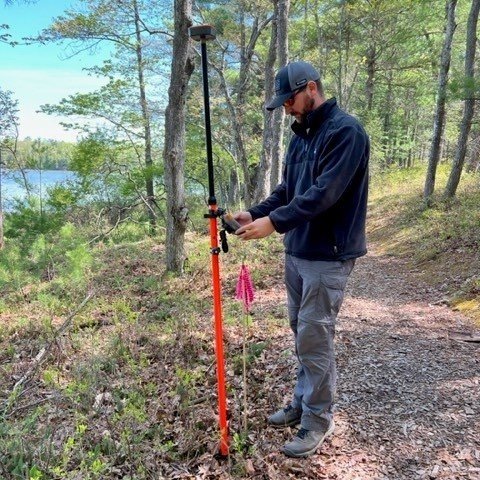
Curious about wetland delineations? Point Blue biologists conduct wetland delineations for clients to establish the boundary between wetland and upland.

Navigating an Underground Release for Gasoline Station Owners & Operators
As an owner or operator of a gasoline station, one of the last things you want to think about is an underground release of gasoline or diesel fuel. You prefer to run your business as efficiently as possible and having a leak in your system is not only costly, but also damaging to the environment.

Moving Closer to Blue & Following Our Own Consulting Best Practices
We’re excited to share that Point Blue has moved into a fresh new space, this one even closer to the blue waters of Lake Michigan. We even followed the same advice we offer our clients when purchasing a property.

Michigan’s Brownfield Plan Receives Significant Changes
The State of Michigan’s Transformational Brownfield Plan has received some much-needed changes. The changes, which were approved by the Michigan Senate and House and signed by the governor in December 2021, provide developers with increased opportunities to capture the tax credits and incentives associated with brownfield redevelopment sites.

Buying Property along the Lake Michigan Shoreline? Let's Assess Risk vs. Reward
It's important to understand the risk versus reward if you are considering buying a property along the Lake Michigan shoreline. Point Blue scientists conduct bluff and shoreline assessments to assess bluff stability and shoreline vulnerability during the due diligence period of a property purchase or anytime a landowner experiences erosion. But first, let's discuss a few key items to better understand shoreline topography.
A wetland, really? Here? But I want to build here.
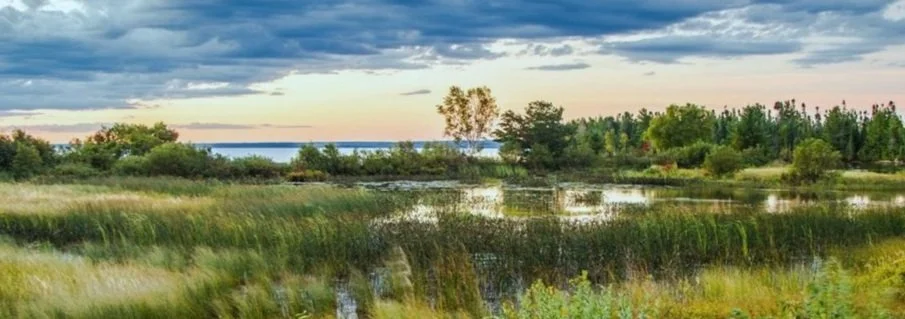
Point Blue has created answers to some of the most common questions we receive from clients related to a wetland.
What exactly is a wetland? A wetland is a transitional area where the land and water meet. They may occur when water is slightly above or below the land’s surface. Land does not have to be wet all of the time to be defined as a wetland.

Vapor Intrusion (VI): The Silent and Invisible Risk
Vapor intrusion (VI) can occur on sites where contaminants are present. Vapor intrusion occurs when vapors from chemicals in contaminated groundwater or soil migrate through subsurface soils and preferential pathways to impact the indoor air quality of overlying or adjacent buildings.

Nearly 200,000 Brownfield Sites Cleaned-Up in U.S. Since 1995
Since its creation in 1995, Brownfield Programs have shifted the way that communities manage contaminated property. A brownfield property is one in which the redevelopment or reuse of the property may be complicated by the presence or perception of contamination.